- info@mcwell99.com
- +86 13881905158
- Quick Enquiry


 Release time:
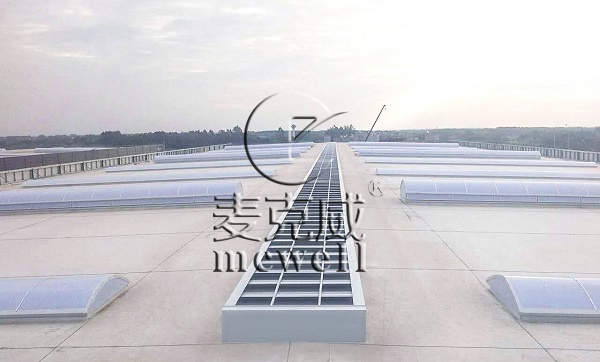
The main performance indicators of natural ventilators include structural stability, usage performance, and product appearance aesthetics. The structural stability can be checked by the designer of the design institute. The product's appearance will be checked by industry standards. The usage performance includes ventilation, daylighting rate and waterproof performance. In addition to reasonable design, the waterproof performance of natural vent is important in terms of waterproofing. At this stage, the commonly used waterproofing methods are silica gel waterproofing and structural waterproofing.
Full structure waterproofing method is a new type of waterproofing technology developed by Mcwell. It applies structural waterproofing to natural vent and has obtained an invention patent. This technology can be used to form a buckle on the structure when process color steel plates. Silica gel and adhesive tape are used for sealing and plugging, avoiding the hidden danger of leakage caused by aging and cracking of these materials. In the National Standard Atlas 11CJ33 "Daylighting Natural Ventilator", Structural waterproof smoke vent skylight has been widely used in major projects, and have become a ventilation product favored by construction units, design units and owners. The silicone joints will inevitably expand and contract, and shift. Different temperature will continue to cause the shrinkage of the steel plate in the gap. Swelling causes cracking and aging of the silicone and tape. Once the silicone and tape are aging, it will cause hidden water leakage in the flooding plate joints, end joints, and sink joints of the smoke ventilation. Once rainwater leaks, it will affect normal production and cause damage to equipment. However, repairing leaks is not easy to handle in place, and there are often repeated repairs and repeated leaks, which will bring greater impact and loss to users.
 info@mcwell99.com
 +86 13881905158